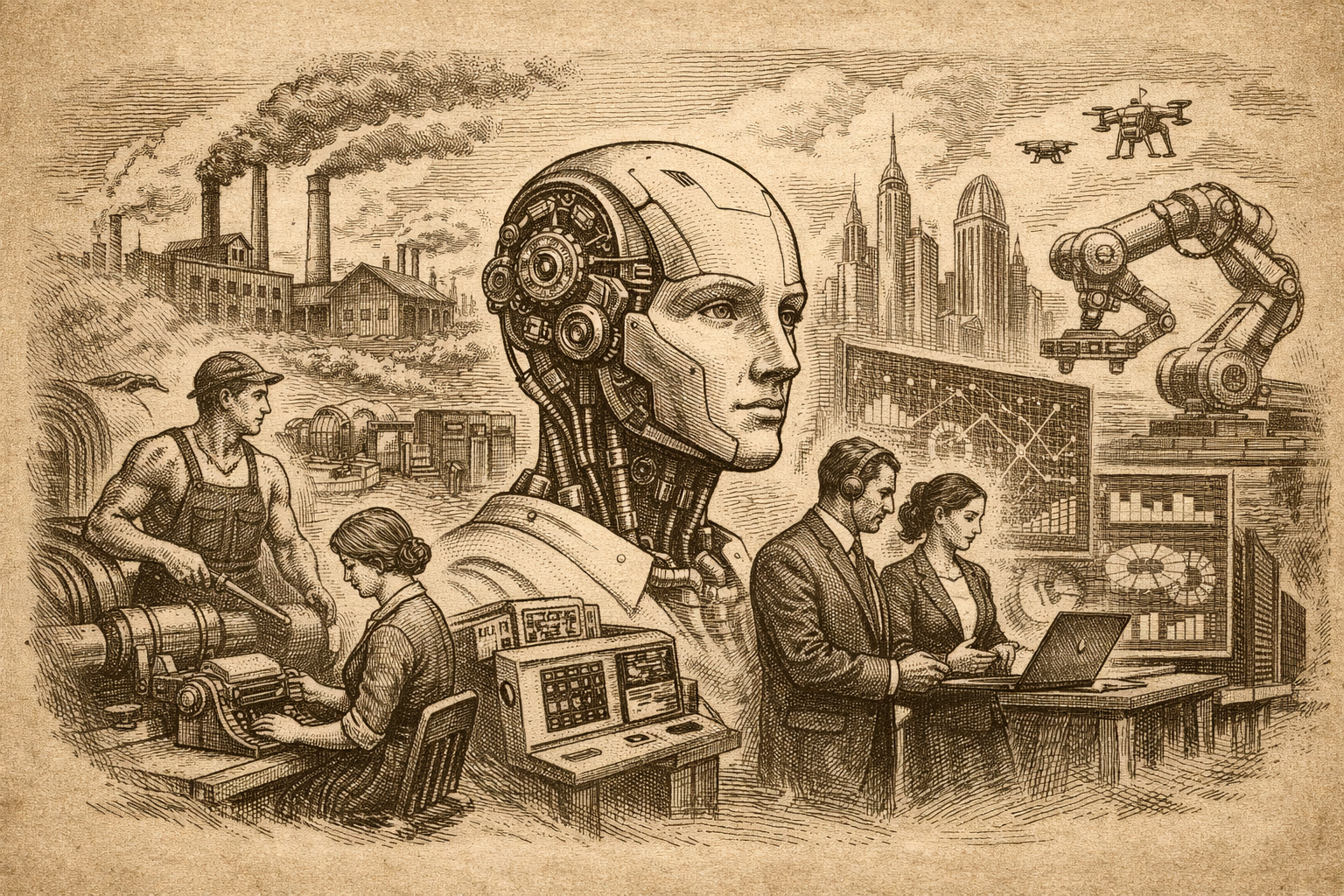
Across the globe, artificial intelligence is transforming how managers make decisions, coordinate teams, think, and evaluate performance. However, we must understand that AI is not replacing managers, but rather reshaping what work and management will look like. The impact of this transformation is being felt in every aspect of the world of work.
What Is Changing in Management?
Artificial intelligence is no longer confined to technology teams or specialized functions. It is increasingly being integrated into everyday business processes, from analyzing and predicting system performance to generating customer insights and optimizing workflows.
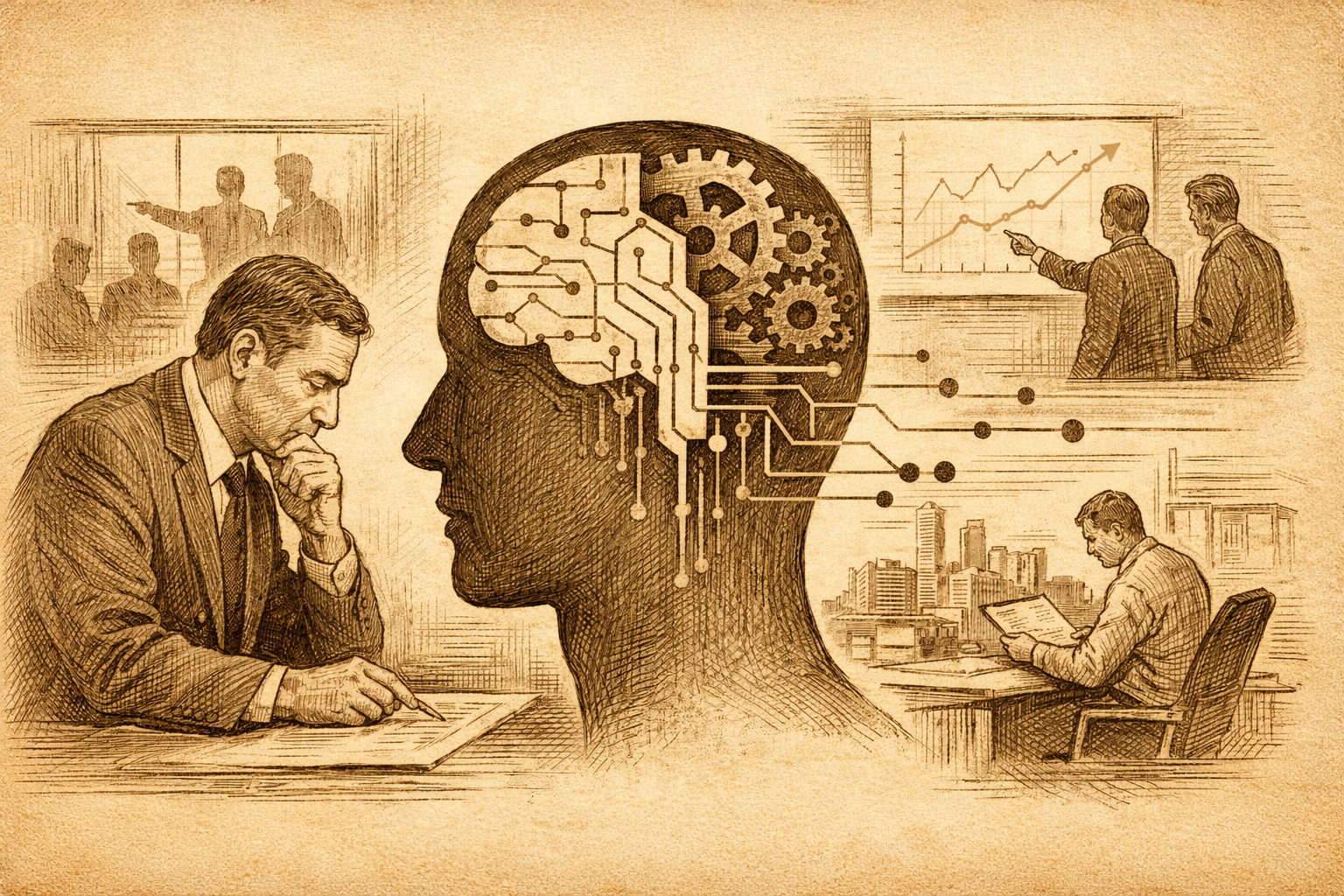
As AI systems provide faster access to data and various recommendations, the traditional role of managers, which focused on supervision and information control, is changing. Consequently, daily decision-making is becoming more data-driven. Managers are now expected to interpret insights rather than simply gathering information manually.
This global shift is transforming how management roles are defined across various industries.
Why This Change Matters
It is evident that the management structures in any organization have influence on many operational aspects, including productivity, work culture, employee well being and long-term performance. When AI tools start to handle routine analysis and reporting works that are more mundane in nature, organizations must rethink about the new roles that their managers can contribute.
For both companies and their managers, ever emerging AI influence will have different types of impact. We list here a few most important ones.
For companies:
- Decision cycles become shorter
- Performance measurement becomes more granular
- Expectations of managerial effectiveness increase
For managers:
- Authority based on access to information declines
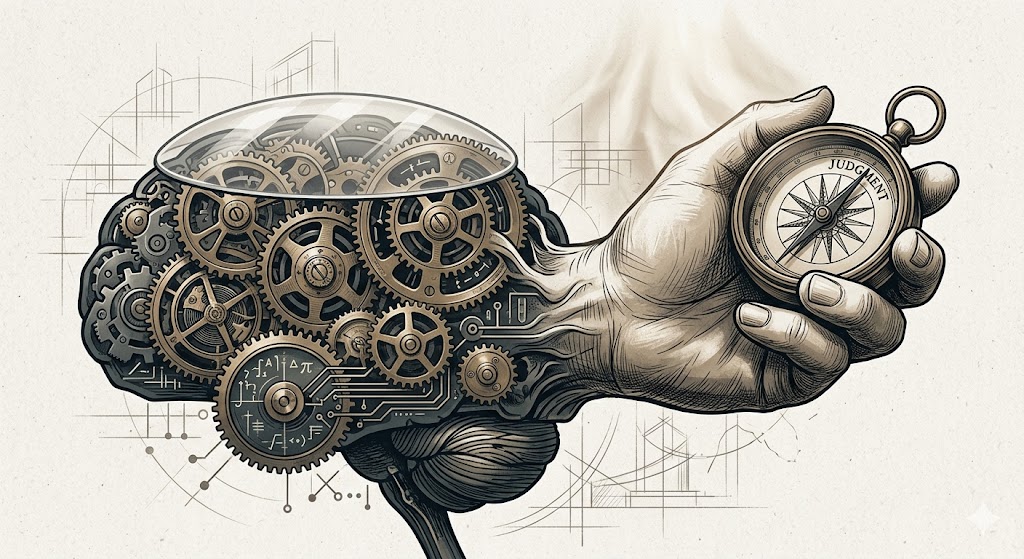
- Judgment, communication, and leadership skills gain importance
Organizations must not ignore these changes, as it may risk creating management layers that slow down rather than support organizations. Over dependence on AI based analysis also may cast its shadow on the future analytical skills of executives.
The Bigger Picture In Management Change
However, in the way and speed the AI models are being improved everyday, it shows a broader trend toward many tasks that get impacted. Three such impacts are:
- Automation of routine tasks
- Data-driven decision-making
- Flatter organizational structures
In many organizations, AI systems now support multi-level business forecasting, production and delivery scheduling, and organizational resource allocation. The truth is this reduces the need for multiple layers of oversight which free up management time. This in turn helps shift management focus toward coordination among different ranks, coaching employees, and strategic alignment to important stake holders.
It is evident from the current trend that organizations will rely more on AI-supported insights. As a result, organizational management will be less about mundane and routine control and more about guiding teams through business complexity and perpetual change.
Real-World Examples: How AI Is Changing Management in Practice
To understand how artificial intelligence is reshaping management roles, it helps to look at how companies are already using AI in everyday decision-making and team coordination.
AI in Workforce Planning and Performance Management
AI are designed to reduce administrative burden. It increases the expectation that managers can interpret a huge quantity of data thoughtfully and act on it responsibly.
In large organizations, managers traditionally spent a significant portion of their time on performance reviews, workforce planning, and productivity tracking. Today, many companies use AI-driven analytics platforms to support these functions.
What changed
New and evolving AI systems analyze employee performance data at very minute details, project timelines of work completion, and workload distribution among them. Executive managers receive information dashboards that highlights performance trends, productivity risks, and gaps. Also, the routine reporting process is systematically automated.
Impact On Management Roles
As a matter of fact, managers increasingly spend less time collecting data, and more time is devoted to coaching, critical problem-solving, and aligning teams with the true-north business goals. With lots of data in hand, as a result, performance discussions become more evidence-based rather than just subjective overview.
AI in Customer Operations and Decision Support
In sectors like retail, finance, and customer services, AI is widely used to analyze customer behaviour, predict demand, and optimize service delivery.
What changed
Present AI systems can forecast demand patterns and customer needs. Executive managers receive recommendations regarding staffing, inventory movement, or aspects of service prioritization. Many decisions that once relied on experience alone are now supported by real-time insights available through well-designed AI models.
Impact on management roles
Earlier, managers use to be in reactive mode, whereas now they have shifted from old-school decision-making to proactive planning. AI models also help achieve better team coordination that takes advantage of clearer and rescheduled priorities.
Simultaneously, managers in organizations are expected to explain AI-driven recommendations to teams and stakeholders so that they are in a better position to respond to the analysis in hand.
Therefore, we can safely say that AI enhances decision speed and consistency, but managers remain responsible for judgment, action accountability, and fundamental communication.
How AI Adoption Is Influencing Management Across Countries
To a great extent AI adoption varies by country and industry. Available data shows a consistent pattern that the organizations are using AI to support their decision-making, reduce mundane administrative work, and reshape & reimagine managerial responsibilities.
United States: AI as a Decision-Support Tool
Surveys conducted for large US enterprises show that a majority of companies that use AI deploy it primarily for analytics, forecasting, and decision support, rather than full automation.
Management time spent on routine reporting and monitoring has declined, while time spent on strategic planning and team coordination has increased.
AI adoption is strongest in technology, finance, retail, and professional services.
For managers it is expected that they shall interpret AI-generated insights and take responsibility for their decisions, rather than rely solely on intuition or hierarchy.
European Union: Focus on Responsible and Transparent AI
Due to their regulatory and ethical frameworks, many European organizations emphasize human oversight in AI-assisted decision-making process.
Many state-of-the-art AI models are commonly used for workforce planning, work scheduling, and optimization of operational parameters.
Studies show that AI models are at increased demand for managers who can combine their critical technical literacy with awareness of compliance and governance.
It is observed that emerging management roles increasingly require understanding regarding how AI systems work and their limitations. Executive managers are also required to explain their decisions to employees and regulators alike.
India: Rapid Adoption in Operations and Services
Indian companies, particularly in IT services, finance, and logistics, have adopted AI to improve their operational efficiency and scalability.
AI is frequently used for resource allocation, customer support optimization, and related performance analytics.
Organizations report higher expectations from managers to oversee larger teams with data-driven tools in real time.
Ever increasingly, managers are managing more complexity with fewer layers in a much flat organization. They rely on AI dashboards rather than manual supervision, which helps them take smarter decisions at shorter time.
East Asia (Japan and South Korea): AI for Productivity and Workforce Optimization
Companies in Japan and South Korea have adopted AI to address productivity challenges and labour shortages in their business units.
Smart AI systems support work scheduling, quality control, operational planning, and many more. The management roles increasingly focus on better coordination between automated systems and human workers.
Here managers started to act as integrators. They balance factory automation with workforce engagement and continuous skill development.
How AI Is Changing Managerial Responsibilities
Therefore, it can be well said that AI is not removing the need for managers, but it is changing what managers spend time on and expectations.
There are a few key changes witnessed in this process. They take less time on reporting and monitoring everyday process data. There is more focus on interpreting data and its analysis. This helps in setting the direction for business.
There is a priority to provide greater emphasis on people management and cross-team collaboration. This helped managers focus on their increased responsibility for ethical and responsible use of AI tools.
Here managers are also expected that they explain AI-driven decisions to teams. This ensures workflow transparency and employee trust in automated systems.
What It Means for Young Managers
For emerging leaders, the changing role of management presents both challenges and opportunities. AI related technical literacy is becoming more essential, even for non-technical roles.
Soft skills for organizational success, such as communication, empathy, and judgment are gaining increased value. In addition, managerial career progression may depend on their adaptability to a new set of rules and norms, rather than how many years of prior experience they have.
It is expected that along with 3Rs, that is reading, writing, and arithmetic skills, future executives must also be conversant in using AI tools for their work.
Young managers who understand how to work alongside AI systems—and who can translate insights into action—are likely to be better positioned for leadership roles.
What to Watch Going Forward
In this quick changing scenario, there are many key developments occurring. We much keep watch on a few aspects. These include, how companies redefine management roles and job descriptions, how they are deciding on investments in reskilling their employees and leadership development.
As AI models are slowly taking control of every sphere of human life, it becomes increasingly important to monitor governance frameworks for AI-assisted decision-making.
As mundane works are being replaced by AI assisted models, it will be important to keep track of the changes in organizational design and reporting structures.
The pace of AI adoption may vary across industries, but its influence on management is likely to deepen.
Key Takeaways
Based on the discussion we had, we may safely say that AI is reshaping the management roles, but it is not eliminating it. Data-driven insights are changing how decisions are made. Managerial value in operations management is shifting toward crucial judgment and human-centric leadership aspects.
It is also important that young managers must adapt to new global expectations. And therefore, understanding AI’s role in management and using it are becoming a core leadership skill.